Natural & Lab-Grown — Both Programmes
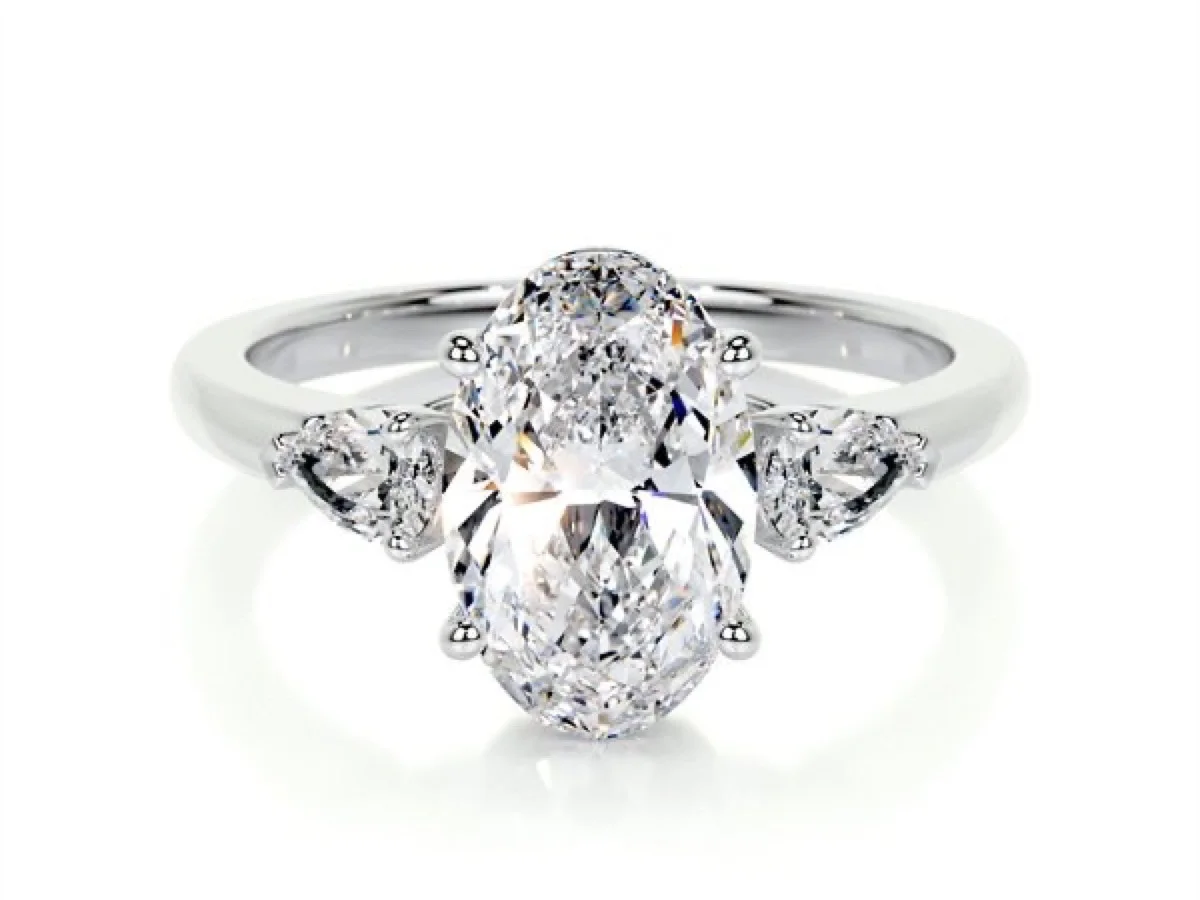
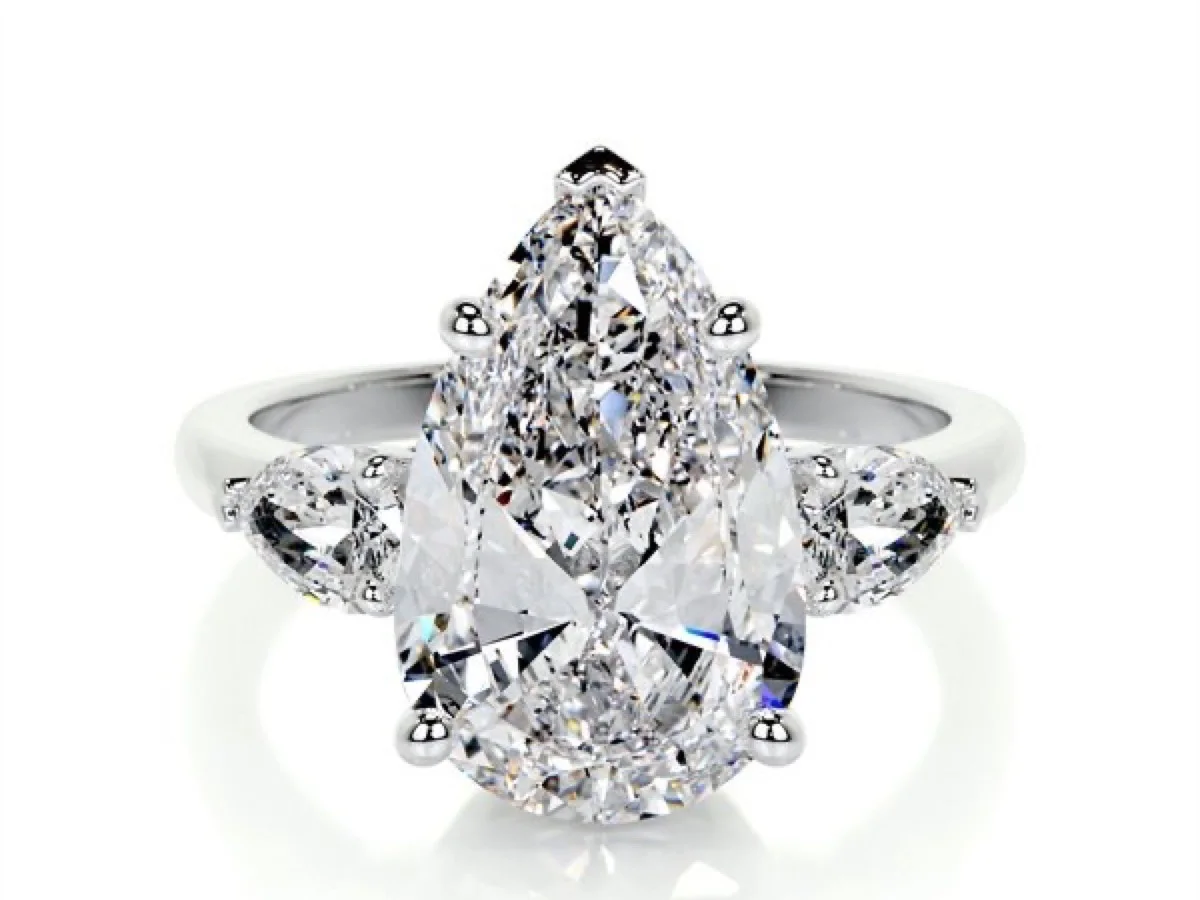
Every category we make runs in both natural and lab-grown diamond programmes. Same designs, same setters, same QC standard — you choose the stone programme per line, we hold the spec.
Stone programmes
What a buyer actually decides here
Lab-grown vs natural is a margin decision, not a material one
Lab-grown and natural diamonds are the same material — pure carbon in the same crystal structure, graded on the same 4Cs by the same laboratories. The practical difference is price per carat, which means the same retail price point supports a visibly larger centre stone. That is why most brands now run both rather than choosing one.
CVD or HPHT
Both are legitimate growth methods and both appear on our floor. Melee in the 0.80–3.00mm range is usually HPHT; stones from 0.10 to 6.00 ct come as both. The report states the method, and your specification can name one if your market has a preference.
Where moissanite fits
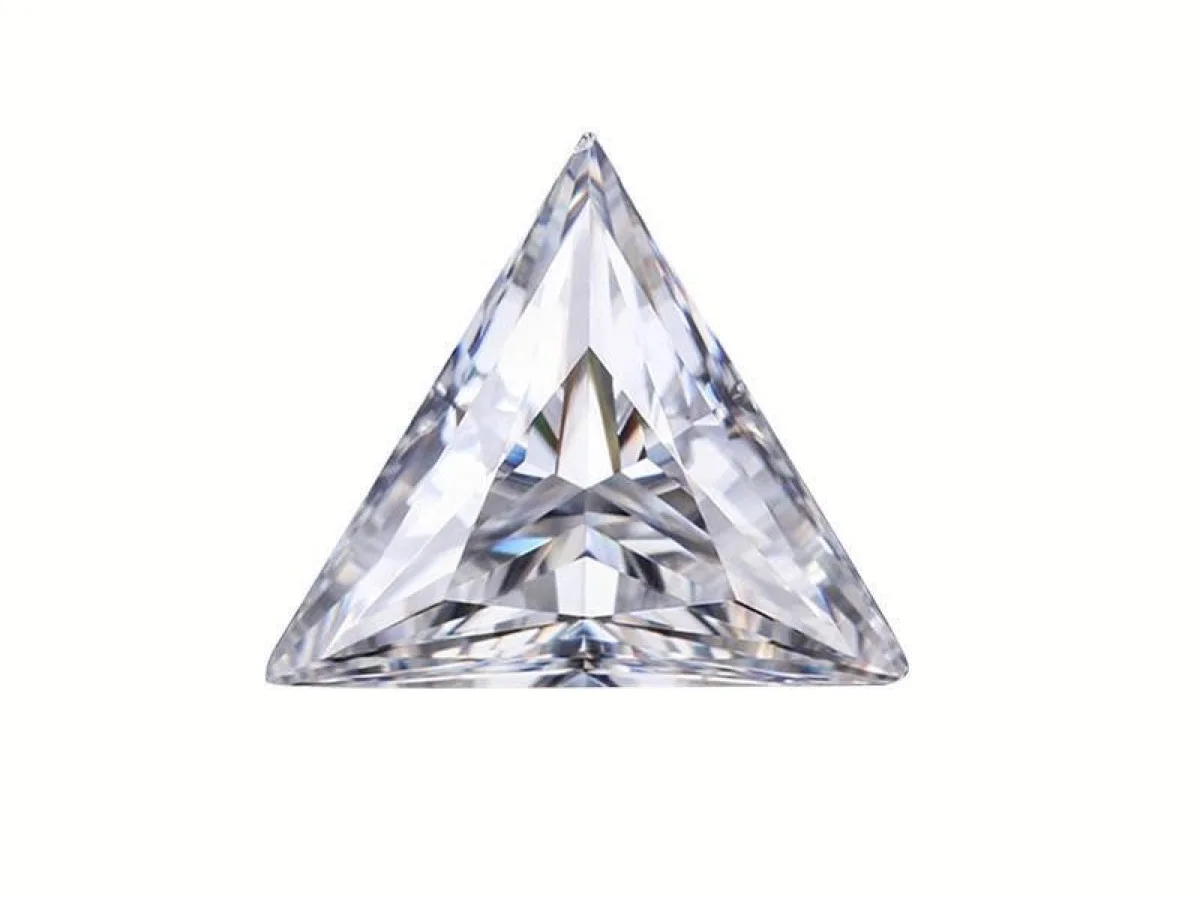
Moissanite is a different material — silicon carbide, 9.25 on the Mohs scale, with a refractive index higher than diamond and therefore more fire. It is graded on colour alone rather than on four Cs. For a brand it opens a price tier beneath lab-grown diamond without dropping to cubic zirconia.
Certification is the buyer's protection
Centre stones ship with IGI, GIA, NGIC or NGTC reports; moissanite with GRA. Report numbers appear on packing documentation so your receiving team verifies each stone against the issuing laboratory's own database before goods enter stock.
Disclosure discipline protects your brand
Lab-grown must be disclosed as lab-grown on the report, the invoice and to the end consumer. Regulators in the US and EU are explicit about it, and a supplier casual about disclosure is a liability attached to your name rather than a cost saving.
Ask for the current stone list
Tell us the carat range, colour and clarity floor your programme needs and we send what is available now.
Request Stone List